

SERENA LI | Updated: 2026-11-18
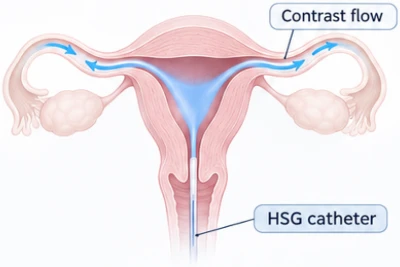
In fertility care, getting clear answers early makes all the difference. One of the most common tests for doing that is hysterosalpingography (HSG)-a procedure many people have heard of, even if how it works feels a bit mysterious.
Simply put, an HSG is a live X-ray used to check the shape of the uterus and make sure the fallopian tubes aren't blocked. To get that view, a doctor uses a thin, flexible tube to release a special dye inside the uterus, then watches how that liquid travels on an X-ray screen.
None of that imaging works without getting the dye to the right spot-which puts the HSG catheter right at the center of the exam.
The Design
At a glance, an HSG catheter looks like just a basic piece of tubing. In reality, getting a clear X-ray while keeping the patient comfortable takes smart engineering. The tube has to pass through a tight, sensitive area, stay put once it arrives, and deliver dye without leaking.
Here is what goes into its design:
Firm enough to guide, soft enough for comfort: Passing through the opening of the cervix takes control, so many HSG catheters have a thin guide wire built inside to keep the tube from bending too much during placement. Once it's in, the smooth medical-grade silicone outer body keeps things gentle, helping prevent irritation going in and coming out.
A tiny, smooth anchor: HSG catheters have a small inflatable balloon near the tip to hold the tube in place and stop the dye from leaking backward. Designers make these balloons with ultra-thin walls that still hold their shape, blending them smoothly into the tube so there are no rough edges to cause friction.
Easy to spot on screen: Doctors need to know exactly where the tip sits before releasing any dye. A special X-ray-visible line built into the tube shows up clearly on the monitor, taking the guesswork out of placement.
The Bigger Picture
An HSG catheter doesn't make the diagnosis on its own-it's the behind-the-scenes helper that makes the X-ray possible. When the imaging machine, the dye, and the catheter all work together, doctors get the clear, real-time view they need to guide a patient's next steps. It's a great reminder that in modern healthcare, even the smallest single-use tool relies on smart design to get the job done right.
A Few Quick Things to Keep in Mind
Sometimes, an HSG can actually help clear minor blockages in your tubes, which might slightly raise your chances of getting pregnant afterward. Before you go in for the test, though, it helps to keep a few simple safety notes:
Pregnancy: Because X-rays can harm a developing baby and the test could cause a miscarriage, your visit will usually be booked right after your period to make sure you aren't pregnant.
Infection: The chance of getting an infection afterward is very low-about 1 in 100 cases. If your care team thinks you are at a higher risk, they will give you antibiotics to take after the test.
Allergies: Having a reaction to the X-ray dye is super rare, though you should still let your doctor or X-ray tech know about any allergies you have before you start.