
 By Jimmy CHEUNG | Updated: 2026-11-02
A FEEDING TUBE, also called by gastrostomy tube, is a catheter used to provide nutrition to people who cannot obtain nutrition by mouth, are unable to swallow safely, or need nutritional supplementation. The state of being fed by a feeding tube is called enteral (using the gastrointestinal tract) feeding or tube feeding. Placement may be temporary for the treatment of acute conditions or lifelong in the case of chronic disabilities.
There are more than a dozen of conditions that may require tube feeding (enteral nutrition) to prevent or treat malnutrition. Conditions that necessitate feeding tubes include prematurity, failure to thrive (or malnutrition), neurologic and neuromuscular disorders, inability to swallow, anatomical and post-surgical malformations of the mouth and esophagus, cancer, Sanfilippo syndrome, and digestive disorders.
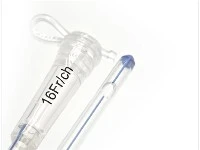
HJMED provides feeding tubes in both PVC and silicone (material TPU for long-term use up to 30 days is optional). Atraumatic, closed round tip and open distral end are available. The tubes are equipped by color coded connectors and radiopaque line. Varied tube lengths are optional.
 A STOMACH TUBE is one disposable catheter that surgically implanted directly into the stomach, allowing for direct access to provide nutrition. It is commonly referred to as #gastrostomy tube or G-tube, is a specific type of feeding tube designed for long-term use. In comparing feeding tube, it becomes clear that the stomach tube offers a more permanent solution for patients requiring consistent nutritional support.
G-tubes are ideal for patients with chronic conditions affecting their ability to eat, such as neurological disorders, severe swallowing difficulties, or those recovering from major surgeries. Stomach tubes allow for continuous feeding or bolus feeding, depending on the patient's requirements, making them a versatile option in long-term nutritional management. Distal head optional: open type and closed type. The tube is made of medical grade of PVC; other materials saying TPU or silicone that allows for long-term use up to 30 days are optional.
KEY DIFFERENCES BETWEEN FEEDING TUBE AND STOMACH TUBE:
Feeding tubes can be temporary and may provide short-term nutritional solutions, while stomach tubes are intended for prolonged use after a surgical procedure. Furthermore, the ease of use and maintenance also varies between the two. Stomach tubes, once placed, require specific care and monitoring to prevent complications, but they are generally easier for caregivers to manage in terms of feeding administration compared to standard feeding tubes, which may need more frequent repositioning or replacement.
A variety of feeding tubes are used in medical practice. They are usually made of PVC, polyurethane or silicone. The outer diameter of a feeding tube is measured in French units. They are classified by the site of insertion and intended use. There are 2# lateral holes are made for feeding tubes and 4# for stomach tubes basically.
#feedingtube #siliconefeeding #gastrostomytube #stomachtube #siliconestomach #suctiontube #HJMED #JVMED